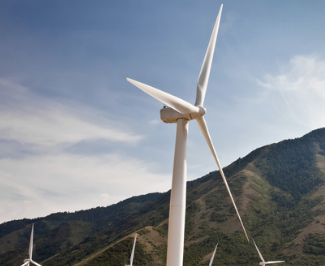

In the wind energy sector, wind turbine lifts play an essential role in providing safe and efficient access for technicians tasked with maintaining, inspecting, and repairing turbine components. Wind turbine lifts, or service lifts, are installed within the towers to transport personnel and equipment up and down, minimizing the physical strain and time required for manual climbs. However, as with any heavy-duty equipment, these lifts need routine maintenance and strict adherence to safety protocols to ensure reliable operation and technician safety.
As an engineering expert specializing in maintenance and technical support, understanding the critical aspects of wind turbine lift maintenance is key. Here’s an in-depth look at best practices for maintaining wind turbine lifts with a primary focus on safety.
The Importance of Wind Turbine Lift Maintenance
Wind turbines are often located in remote or offshore areas, where access is challenging and conditions are harsh. Regular maintenance of wind turbine lifts is essential to:
- Ensure Technician Safety: Malfunctioning lifts put technicians at risk, especially when repairs are conducted hundreds of feet above ground.
- Reduce Downtime: Keeping lifts operational minimizes time delays and reduces the risk of prolonged equipment outages.
- Optimize Performance: Proper maintenance ensures that the lifts perform efficiently, avoiding unexpected malfunctions or breakdowns during critical operations.
- Extend Equipment Lifespan: Regular maintenance prevents excessive wear and extends the useful life of the lift components.
Key Best Practices for Wind Turbine Lift Maintenance
1. Follow Manufacturer’s Maintenance Guidelines
Each wind turbine lift model is different, with specific design, weight limits, and operational procedures. Adhering strictly to the manufacturer’s maintenance manual ensures that all components, such as winches, brakes, safety locks, and pulleys, are checked according to the recommended schedule. Following these guidelines also preserves the lift’s warranty and guarantees optimal performance.
2. Conduct Regular Inspections
Scheduled inspections are critical for identifying potential issues before they turn into serious problems. These inspections should include:
- Visual Checks: Look for signs of wear or damage on cables, pulleys, and other moving parts.
- Functionality Tests: Run the lift through its full cycle to check for irregularities in movement or any unusual noises that could indicate mechanical issues.
- Brake Testing: Brake systems should be tested regularly to ensure they engage fully and hold the lift in place.
- Safety Lock Check: The safety lock mechanism is essential in preventing accidents if the lift’s main suspension system fails. It should be thoroughly tested for proper operation.
3. Emphasize Regular Lubrication and Cleaning
Wind turbine lifts are often exposed to dust, moisture, and temperature fluctuations, which can accelerate wear on moving parts. Regularly lubricate lift components, including cables and bearings, as recommended by the manufacturer. Additionally, ensure that all exposed parts are free from dirt, rust, and corrosion to reduce friction and ensure smooth operation.
4. Inspect and Replace Worn Cables and Pulleys
Lift cables and pulleys bear significant weight and strain, especially during heavy usage. They are also prone to wear over time due to friction and environmental exposure. Routine inspection of cables and pulleys for fraying, corrosion, or deformities is crucial. Replace any damaged or worn cables immediately, as they can compromise lift safety if left unaddressed.
5. Test Emergency Systems Regularly
Emergency systems, such as the emergency stop button and backup power systems, are vital for lift safety in case of unexpected failures. Regular testing of these systems is essential to ensure they function correctly when needed. Backup systems, especially, should be maintained in optimal condition, as they provide essential support in remote or offshore environments where immediate assistance may not be available.
6. Verify Safety Interlocks
Safety interlocks prevent the lift from moving if certain conditions are not met, such as when doors are open or if the lift is overloaded. These interlocks are designed to protect technicians from accidents due to improper lift operation. Regular checks on these interlock systems ensure that they engage properly and are not bypassed due to component wear or misalignment.
7. Ensure Proper Training for Technicians
No matter how well-maintained the lift is, its safety also depends on proper use by qualified personnel. Ensure that all technicians receive thorough training in operating the lift, understanding its safety features, and recognizing potential hazards. Technicians should also be trained to perform pre-use checks and basic troubleshooting to identify any unusual conditions before entering the lift.
8. Establish a Maintenance Log and Reporting System
A detailed maintenance log that records each inspection, repair, and component replacement is essential for tracking lift health and identifying recurring issues. Having a transparent reporting system also ensures that any technician who detects a problem can report it promptly for corrective action. This log is useful for trend analysis, allowing maintenance teams to anticipate future issues and plan for component replacements in advance.
9. Implement Remote Monitoring (if available)
Remote monitoring technology can help track lift conditions, identify issues in real-time, and reduce the need for on-site inspections. For instance, sensors can monitor temperature, vibration, and load to detect potential faults early. Remote monitoring not only increases safety by allowing operators to monitor lift health but also helps in predicting maintenance needs, thereby improving overall operational efficiency.
10. Prioritize Safety During Maintenance Work
When performing maintenance on a wind turbine lift, safety should be the top priority. Follow lockout/tagout (LOTO) procedures to ensure that the lift is completely de-energized before performing any work. Technicians should wear appropriate personal protective equipment (PPE), including harnesses, helmets, and gloves, to protect against falls and other hazards.
Common Safety Challenges in Wind Turbine Lift Maintenance
While following best practices is essential, technicians face several unique challenges when maintaining wind turbine lifts:
- High Altitudes and Remote Locations: Working at high altitudes increases the risk of falls, while remote locations make emergency response more challenging.
- Harsh Weather Conditions: Offshore wind farms and areas with extreme weather conditions may expose lifts to corrosion and increased wear.
- Limited Access for Heavy Repairs: Wind turbine towers are narrow and compact, which can make it difficult to perform large-scale repairs on lift components.
To mitigate these risks, wind farm operators should prioritize robust safety training, provide high-quality equipment, and schedule maintenance during favorable weather conditions whenever possible.