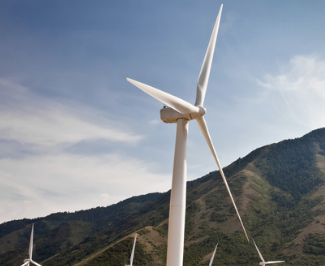


Wind energy has emerged as a leading renewable energy source, contributing significantly to global electricity production. Wind turbines, the critical machines in this sector, require constant upkeep to ensure optimal performance and longevity. As an engineering solutions expert specializing in technical support, maintenance, and lift maintenance, understanding the importance of predictive maintenance in extending wind turbine life is essential.
What is Predictive Maintenance?
Predictive maintenance (PdM) is a proactive approach that uses data-driven technologies to predict equipment failures before they happen. By continuously monitoring the condition of wind turbines and analyzing performance data, predictive maintenance helps identify potential issues early. This minimizes unplanned downtime and reduces the need for costly repairs, thus extending the lifespan of the turbine.
Key Benefits of Predictive Maintenance in Wind Turbines
- Minimized Downtime and Increased AvailabilityOne of the major benefits of predictive maintenance is reducing unexpected downtime. In the case of wind turbines, downtime can be particularly costly due to lost energy production and the high expense of reactive repairs. Predictive maintenance allows for scheduled interventions, enabling technicians to perform necessary repairs during periods of low wind or regular maintenance windows. This ensures maximum energy production and availability.
- Cost-Effective MaintenanceTraditional maintenance strategies, such as reactive or preventive maintenance, often involve either waiting for something to break down or performing unnecessary checks and replacements. Predictive maintenance uses real-time data to target specific components that are wearing down or showing signs of degradation. This precision reduces the need for blanket repairs and replacements, cutting down on labor costs and spare parts while still maintaining the integrity of the system.
- Prolonging Equipment LifeWind turbines operate in harsh environmental conditions, often exposed to extreme temperatures, high winds, and saltwater corrosion in offshore installations. Predictive maintenance techniques like vibration analysis, thermography, and oil condition monitoring help detect wear and tear on critical components such as blades, generators, and gearboxes. Addressing these issues before they cause significant damage helps extend the equipment’s service life, sometimes adding years to the operational lifetime of a wind turbine.
- Enhanced SafetyWind turbines are complex structures, often located in remote or hard-to-reach areas. Regular inspection and maintenance can be dangerous for technicians, especially in offshore wind farms or elevated structures. By using predictive maintenance, many potential faults are diagnosed and resolved remotely, reducing the need for on-site intervention and improving safety for maintenance crews.
- Optimized Performance and Energy OutputA well-maintained wind turbine is more efficient, producing more energy with less strain on its components. Predictive maintenance ensures that turbines operate at their peak efficiency by constantly monitoring key performance indicators (KPIs) such as blade pitch, rotor speed, and vibration levels. By making data-driven adjustments, turbines can maximize their output while reducing unnecessary mechanical stress, further improving their longevity.
Key Technologies in Predictive Maintenance for Wind Turbines
Predictive maintenance relies on several advanced technologies to monitor wind turbines and analyze their performance data. Here are some of the most widely used tools:
- Vibration AnalysisVibration sensors are used to monitor the health of rotating components such as the main shaft and gearbox. Abnormal vibrations can indicate issues like misalignment, imbalance, or bearing failure, allowing for timely repairs before major damage occurs.
- Thermal ImagingThermographic cameras can detect overheating in components like electrical systems and bearings. By identifying heat anomalies, maintenance teams can intervene before the components fail due to excessive wear or electrical faults.
- Oil Condition MonitoringThe lubrication system is critical in wind turbines to reduce friction and wear on gears and bearings. By monitoring the oil’s condition, including its viscosity, contamination, and wear particles, technicians can assess the health of the gearbox and other key components. Early detection of oil degradation can prevent major mechanical failures.
- Remote Monitoring and Control SystemsRemote monitoring systems allow operators to track turbine performance in real-time from centralized locations. This reduces the need for on-site visits and ensures continuous oversight of the turbine’s condition. These systems collect large amounts of data, which can be analyzed using artificial intelligence (AI) and machine learning algorithms to predict failures and optimize performance.
- SCADA Systems (Supervisory Control and Data Acquisition)SCADA systems are commonly used in wind farms to monitor and control turbine operations. These systems collect real-time data on various turbine parameters and environmental conditions. When combined with predictive maintenance tools, SCADA systems can provide actionable insights to improve both performance and maintenance scheduling.
Challenges and Solutions in Predictive Maintenance for Wind Turbines
Despite its numerous advantages, implementing predictive maintenance in wind turbines also presents certain challenges. These include:
- High Initial InvestmentInstalling sensors, monitoring equipment, and remote control systems requires a significant upfront investment. However, the long-term benefits of reduced maintenance costs and extended turbine life often outweigh the initial expense. Furthermore, as these technologies continue to advance, costs are expected to decrease.
- Data Management and AnalysisPredictive maintenance generates vast amounts of data, which can be overwhelming without the right tools to analyze it. Leveraging AI and machine learning algorithms is crucial for making sense of this data and turning it into actionable insights. Investing in robust data management systems is key to making predictive maintenance effective.
- Remote Locations and Harsh ConditionsMany wind turbines are located in remote areas or offshore, where weather conditions can be extreme. This makes it difficult to maintain continuous connectivity for remote monitoring. To address this, operators can use satellite communication systems or wireless networks to ensure uninterrupted data transmission, even in the most isolated locations.